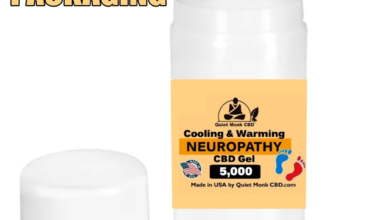

The question of whether CBD rubs can show up in a drug test is complex. While these products typically have low skin absorption, the presence of trace THC could pose a risk. Understanding the specifics of drug testing and the ingredients in CBD rubs is crucial for users. As the landscape of CBD products evolves, the implications for drug testing become increasingly significant. What factors should users consider to minimize potential risks?
Understanding CBD Rubs and Their Ingredients
CBD rubs are topical products infused with cannabidiol (CBD), a non-psychoactive compound derived from the cannabis plant.
These rubs typically contain ingredients such as essential oils, beeswax, and herbal extracts, enhancing their therapeutic properties.
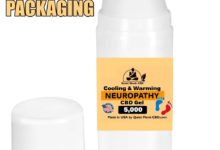
The benefits of CBD rubs include pain relief, reduced inflammation, and improved skin health, making them a popular choice for those seeking natural wellness solutions without psychoactive effects.
How Drug Testing Works
Drug testing is a systematic process used to detect the presence of specific substances in an individual's system.
Various drug testing methods, including urine, blood, and saliva tests, are employed to identify testing substances such as cannabinoids, opioids, and stimulants.
Each method has its advantages and limitations, impacting the accuracy and reliability of the results while emphasizing the need for informed choices regarding substance use.
The Likelihood of CBD Rubs Causing Positive Test Results
The use of topical CBD products, such as rubs, raises questions about their potential to affect drug test results.
While CBD absorption through the skin is generally minimal, the possibility of THC detection remains a concern.
If a product contains trace amounts of THC, it may lead to a positive test result, depending on the individual's sensitivity and the drug testing methods employed.
Tips for CBD Users to Navigate Drug Testing
While navigating drug testing can be challenging for users of CBD products, there are several strategies that can help mitigate risks.
Users should consider reducing CBD usage before testing, understanding testing frequency, and selecting high-quality, THC-free products.
Additionally, sharing user experiences can provide insights into safe practices and potential outcomes, ultimately empowering individuals to make informed decisions regarding their CBD consumption and drug testing scenarios.
Conclusion
In a world where the line between wellness and scrutiny blurs, the shadows of uncertainty loom for CBD rub users. While the likelihood of a positive drug test remains low, the presence of THC in some products casts a lingering doubt. As the clock ticks down to testing day, the choice of product and mindful consumption becomes paramount. With each application, users must weigh the potential risks, leaving them in a quiet tension between relief and the unknown.