
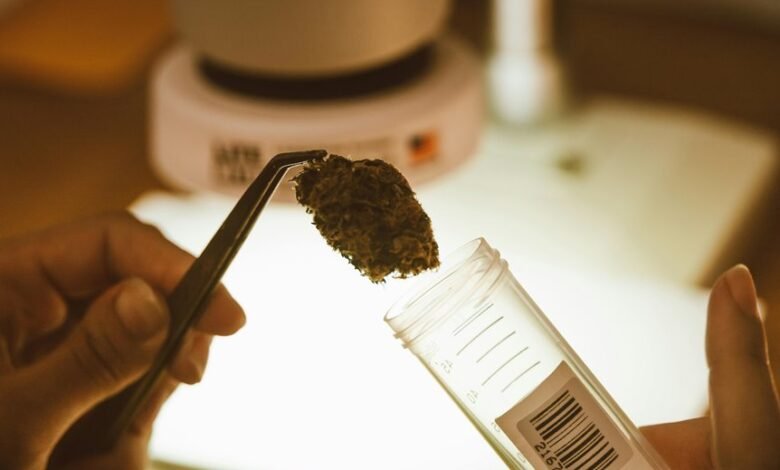
The question of whether CBD shows up on a urine test is often raised by users concerned about drug screenings. Generally, CBD itself is not detected, as standard tests focus on THC. However, the presence of trace THC in some CBD products could lead to unexpected results. Understanding the nuances of CBD composition and drug testing protocols is crucial. What factors should consumers consider to minimize the risk of a positive test?
Understanding CBD and Its Composition
Although cannabidiol (CBD) is derived from the cannabis plant, its composition and effects differ significantly from those of its more famous counterpart, tetrahydrocannabinol (THC).
CBD offers various benefits, including potential relief from anxiety and inflammation.

Common CBD sources include hemp oil, full-spectrum extracts, and isolates, allowing individuals to explore their options in pursuit of natural wellness without the psychoactive effects associated with THC.
How Drug Tests Work
When an individual undergoes a drug test, the process typically involves analyzing a sample—most commonly urine—to detect the presence of specific substances.
Drug test mechanisms rely on chemical reactions to identify metabolites, which are byproducts of drug use. Urine sample analysis is favored for its non-invasive nature and ability to provide a snapshot of recent substance use, aiding in regulatory and safety measures.
The Role of THC in Drug Testing
The presence of THC, or tetrahydrocannabinol, in drug testing is a significant factor due to its psychoactive properties and legal status in many regions.
THC detection is crucial as it determines the outcome of various drug tests, including urine tests. Users seeking freedom in cannabis consumption must be aware that THC can lead to positive results, impacting employment and legal standing.
Tips for Choosing CBD Products Safely
Choosing CBD products safely requires careful consideration of several key factors.
Consumers should prioritize product sourcing, ensuring the CBD is derived from reputable suppliers with transparent practices.
Additionally, following dosage guidelines is crucial for effective usage while minimizing potential side effects.
Researching third-party lab test results can further enhance confidence in product quality, allowing individuals to make informed choices that align with their health goals.
Conclusion
In conclusion, while CBD itself is unlikely to appear on a urine test, the presence of THC in some products can pose a risk of a positive result. For instance, a professional athlete using a full-spectrum CBD oil without checking for THC content may find themselves suspended from competition due to a failed drug test. To avoid such scenarios, consumers should prioritize third-party tested, broad-spectrum CBD products that contain no detectable THC, ensuring safer usage.